Carly ’21: Narración de historias en una pandemia | Storytelling in a Pandemic

3 junio

La narración de historias en una pandemia: una experiencia informativa

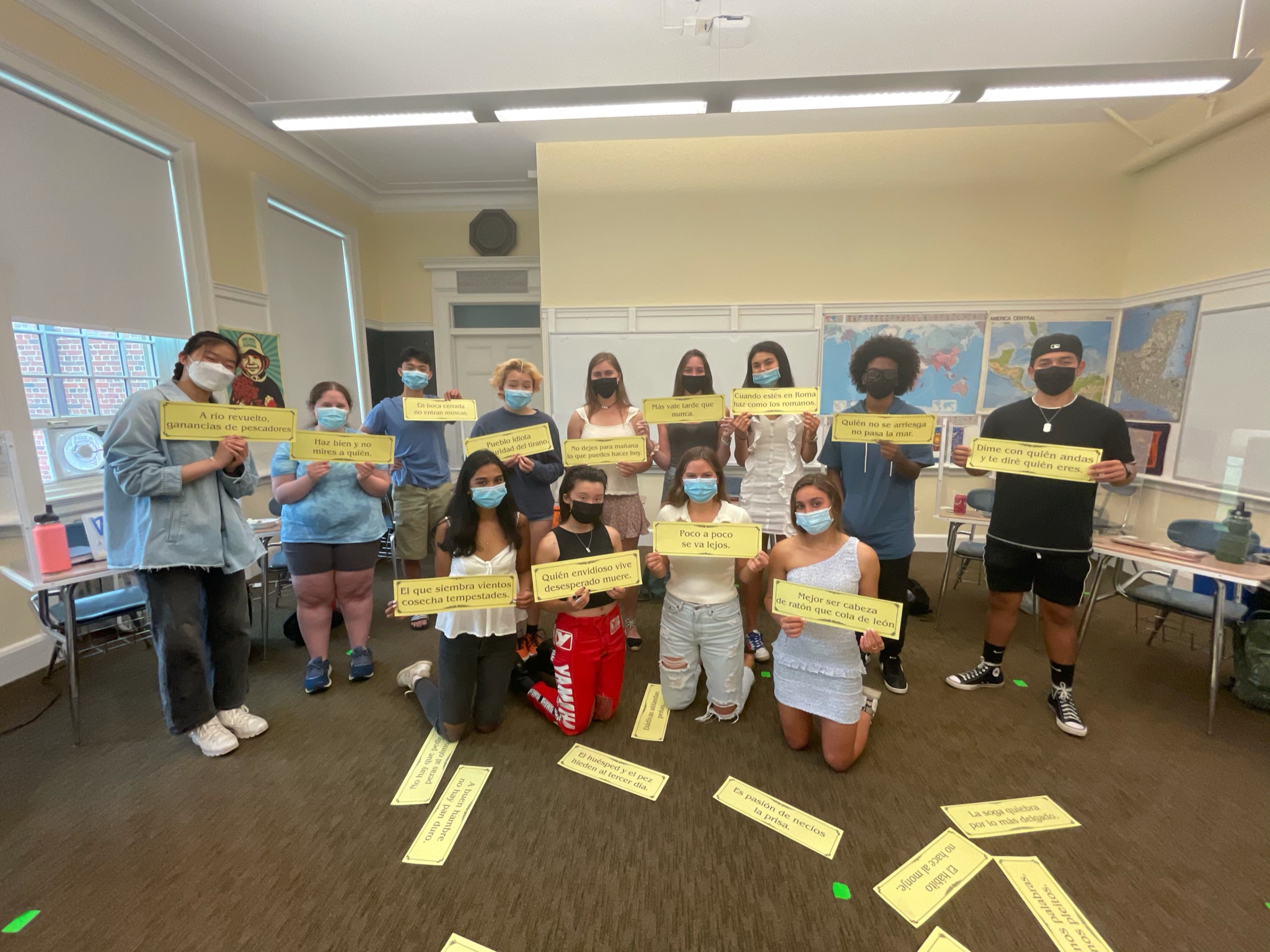
¡Hola a todos! ¡Gracias por visitar nuestro blog para aprender más sobre las personas de Lawrence y sus experiencias! Tuve suerte de tomar una clase en el invierno sobre la historia de esta ciudad increíble, la cual dio contexto a este proyecto y ayudó a alimentar mi deseo de tomar esta clase. Pero para decir la verdad, había querido tomar esta clase desde que aprendí de su existencia. Me encanta contar historias, pero usualmente las historias que cuento son ficticias y a través de las palabras en una página o actuando en escena. Sin embargo, creo que es importantísimo contar historias reales también, y quería aprender cómo contar mejor este tipo de historia diferente a través de un medio diferente. Estoy tan feliz y orgullosa de haber podido contribuir a este proyecto, y estoy muy agradecida por las habilidades que aprendí.

Cuando empezábamos esta clase, recuerdo que exploramos un sitio web llamado StoryCorps para observar cómo las personas en este sitio web contaron historias sobre otra gente. Entonces aprendíamos sobre la importancia de la escucha activa antes de entrevistar a Cristie, la narradora de nuestro grupo. Después de la entrevista y por el resto del trimestre, trabajamos para crear un video corto que representa la historia más larga de la narradora. Para mi grupo, mi papel principal fue corregir el video. Estaba nerviosa cuando decidí asumir este papel, pero estoy feliz que lo hice. Porque aunque el proceso era difícil y algunas veces tedioso, fue increíble mirar cómo el video fue creado pieza por pieza.

Me encantó ayudar con este proyecto, y me inspiró a grabar más historias orales en el futuro. Porque todos tienen historias, y cada persona merece compartir su historia con el mundo.
June 3

Storytelling in a Pandemic: An Informative Experience

Hello everyone! Thank you for visiting our blog to learn more about the people of Lawrence and their lives and experiences! I was lucky to take a class in the winter about the history of this incredible city, which gave context to this project and helped fuel my desire to take this course. But to tell the truth, I have wanted to take this class ever since I learned of its existence. I love telling stories, but usually the stories I tell are fictional and through words on a page or acting onstage. However, I believe it is extremely important to tell true stories as well, and I wanted to learn how to better tell this different kind of story through a different medium. I am so happy and proud that I could contribute to this project, and am very grateful for the skills I learned.

When we started this class, I remember we explored a website called StoryCorps to observe how people on this site told stories about other people. We then learned about the importance of active listening before interviewing Cristie, our group’s narrator. After the interview and for the rest of the term, we worked to create a short video representative of the narrator’s larger story. For my group, my main role was editing the video. I was scared when I decided to take on this role, but I am glad I did. Because even though the editing process was difficult and sometimes tedious, it was incredible to look at how the video was created piece by piece.

I loved helping with this project, and it has inspired me to record more oral histories in the future. Because everyone has stories, and each person deserves the opportunity to share their story with the world. 
Historia oral remota: Distanciados físicamente. Conectados socialmente.

La pandemia mundial proporcionó un telón de fondo para contar historias y un contexto para comprender el estado actual de Lawrence.

Escuche y vea a los participantes reflexionar sobre su experiencia con el proyecto.
  • To read this post in English, click here.

Nosotros, el pueblo desde 2012 une comunidades en una exploración vivencial de la historia y la gente del Valle Merrimack. El éxito del proyecto ha dependido de la experiencia en persona de intercambio cultural, fomentación de relaciones, y colaboración. Sin la oportunidad de conectarse en la vida real, el proyecto deja de tener sentido. Una experiencia virtual simplemente no es suficiente. No tiene sentido intentar nada de esto virtualmente, particularmente durante tiempos estresantes como una pandemia global.

Eso pensé yo también.

El tema del proyecto de historia oral de este año fue la comunidad en tiempos de crisis. Cuando lo establecí en el otoño de 2019 (¡parece tan lejano en el tiempo!), la crisis del día no era COVID-19. Más bien, estaba pensando en la pandemia global de gripe de 1918, así como en muchos otros eventos calamitosos que han galvanizado a la comunidad de Lawrence a lo largo de los siglos: desastres industriales; conflictividad laboral; desindustrialización y desinversión; incendiarismo, crimen, drogas, desamparo, recesión; “Ciudad de los Condenados” y el nacimiento de We Are / Somos Lawrence; detenciones de ICE y la lucha por los derechos de los inmigrantes; y más.

Más que nada, estaba pensando en la crisis aún fresca que sacudió a la ciudad en 2018: las explosiones de Columbia Gas que mataron a un joven lorenciano, hirieron a muchos otros, destruyeron hogares y negocios, y desarraigaron a familias durante meses. En el epicentro de las explosiones, Lawrence fue el más afectado de los tres pueblos del área, y su recuperación fue más prolongada que en Andover y North Andover, en gran parte debido a la socioeconomía. Sin embargo, sucedió algo increíble después: los servicios de emergencia, funcionarios de la ciudad, defensores de la comunidad, amigos, vecinos, y hasta extraños reunieron sus recursos en apoyo de las víctimas y el uno del otro. El esfuerzo de recuperación fue una tremenda muestra de empatía que unió a la comunidad de Lawrence en formas sin precedentes en muchas de nuestras vidas, pero no desconocidas cuando tomamos en cuenta el legado de la historia.

Resiliencia… esa es la verdadera historia de Lawrence.

Tom Coppinger, Director Ejecutivo del Point After Club

Como todos los individuos e instituciones del mundo, también nosotros tuvimos que “pivotar” para realizar este proyecto de historia oral y superar los desafíos del distanciamiento físico. Normalmente, contamos con la proximidad social con los narradores cuando nos relatan sus historias, nos reunimos con ellos en el lugar, y utilizamos equipos tecnológicos de audio y video para crear productos con calidad de archivo. Como no pudimos efectuar ese plan este año, encontramos una solución en Zoom, una plataforma de teleconferencia basada en la nube que se ha vuelto omnipresente mientras muchos de nosotros estamos trabajando desde casa. Al principio, parecía imposible que pudiéramos forjar las mismas relaciones personales de manera virtual, pero al final nuestra experiencia fue dinámica y sólida, a pesar de—o incluso debido a—esta tecnología, y pudimos satisfacer nuestra necesidad muy humana de estar acompañados mientras enfrentamos adversidades previamente inimaginables.

Tener esta oportunidad realmente afectó la forma en que concebía estar en casa y en mi propia comunidad.

Bryan, promoción de 2021 de Phillips Academy

El entorno virtual resultó ser tan bueno como el real, con ciertas compensaciones que rindieron resultados sorprendentemente positivos. Por ejemplo, aunque los jóvenes etnógrafos y yo no pudimos conocer a los narradores en persona, tuvimos especial cuidado en descubrir sus historias de fondo y comunicarnos con ellos para determinar nuestras áreas de enfoque antes de nuestras reuniones y después para solicitar comentarios sobre los borradores de videos. Disfrutamos de un cordial intercambio de ideas durante todo el proceso y, como resultado, nuestro trabajo fue más fácil. La fluidez de nuestras interacciones virtuales nos ayudó a todos a sentirnos más conectados en nuestro aislamiento.

El aspecto más interesante de realizar historias orales de forma remota esta temporada es que los productos en sí cuentan una historia pertinente de la época: el trasfondo de cada historia oral es literal y figurativamente la pandemia, y esta se puede percibir en las grabaciones variadas de personas que se juntan desde sus propios espacios personalizados, como cocinas, salas de estar, dormitorios, patios, y oficinas. Incluso cuando los participantes tuvieron que conectarse por teléfono, ya sea porque estaban viajando, era un mal día de cabello, o no tenían acceso a la aplicación Zoom, el ícono verde y blanco de un teléfono se convirtió en su avatar en el video. Mientras que otros lugares que solemos preferir para grabar, como el Lawrence History Center, Campagnone Common (“el parque de las ardillas”), el café y librería El Taller, o el Lawrence Heritage State Park, brindan un contexto cultural para las historias que capturamos, los elegimos principalmente por estética y conveniencia. Por tanto, aprovechamos esta oportunidad de reunirnos en lugares que nos consuelan en este momento tan difícil.

Mi objetivo era que todas las personas pudieran ver el video y decir: “¡Vaya, esto sí que importa!”

Emilia, promoción de 2022 de Phillips Academy

Los narradores cuentan historias individuales de fortaleza, resiliencia, y esperanza durante la pandemia de COVID-19, mientras que sus voces hablan de manera más generalizada por sectores de la sociedad que con demasiada frecuencia pasamos por alto, descuidamos, o difamamos. Dery y Betsy expresan solidaridad con las comunidades inmigrantes; Carina y Tom representan a las personas sin hogar y con enfermedades mentales; Vilma y Bianca abogan por las mujeres, jóvenes, y familias. La colección de historias muestra que Lawrence está prosperando con el apoyo de muchos líderes talentosos, compasivos, y trabajadores que no se detendrán ante nada para garantizar que todos los miembros de su comunidad estén sanos y seguros, tanto ahora como en todo momento.

Proyectos como estos realmente abren las mentes y los corazones de las personas y adoptan una perspectiva interna más que una perspectiva externa mientras crean aliados para comunidades como Lawrence.

Bianca Anonas, profesora de Lawrence High School

La temporada de historia oral de 2020 dio un giro inesperado, pero la aprovechamos al máximo e incluso creamos un modelo interesante para futuras iteraciones del proyecto. Todos los participantes se comprometieron enormemente a conocerse unos a otros, a ser ellos mismos, y a capturar la historia de este momento que todos estamos viviendo de diferentes maneras. Si bien deseo nunca volver a pasar por el trauma de una pandemia, estoy inspirado por lo que hemos logrado en este momento de gran crisis y agradecido por haber perseverado en nombre de la comunidad.

Vea todos los videos de historia oral de la temporada 2020 y años anteriores aquí.

Para obtener más información sobre cómo elaboramos un programa de historia oral remota, consulte el “Remote Oral History Primer” (en inglés) escrito para este proyecto.

La Asociación de Historia Oral organizó un seminario en la web sobre historia oral a distancia el 31 de marzo de 2020 y proporcionó prácticas modelo y recursos útiles.

Remote Oral History: Physically Distanced. Socially Connected.

The global pandemic provided a backdrop for story telling and a context for understanding the current state of Lawrence.

Hear and see the participants reflect on their experience in this debrief of the project.
  • Para leer este post en español, cliquee aquí.

We, the People has been uniting communities since 2012 in a place-based exploration of the history and people of the Merrimack Valley. The success of the project has hinged on the in-person experience of cultural interchange, relationship-building, and collaboration. Without the opportunity to connect in real life, the project ceases to be meaningful. A virtual experience simply won’t cut it. There is no point in attempting any of this virtually, particularly during stressful times such as a global pandemic.

That’s what I thought, too.

The theme of this year’s oral history project was community in times of crisis. When I set the topic in fall 2019 (it seems so long ago now!), the crisis du jour was not COVID-19. Rather, I was thinking along the lines of the 1918 global flu pandemic, as well as many other calamitous events that have galvanized the Lawrence community over the ages: industrial disasters; labor unrest; deindustrialization and disinvestment; arson, crime, drugs, homelessness, recession; “City of the Damned” and the birth of We Are / Somos Lawrence; ICE arrests and the fight for immigrant rights; and more.

Predominantly, I was thinking about the still fresh crisis that rocked the city in 2018—the Columbia Gas explosions that killed one young Lawrencian, injured many others, destroyed homes and businesses, and uprooted families for months. At the epicenter of the explosions, Lawrence was hardest hit in the tri-town area, and its recovery was more drawn-out than in Andover and North Andover, largely due to socioeconomics. However, an incredible thing happened in the aftermath: emergency responders, city officials, community advocates, friends, neighbors, and even complete strangers marshaled their resources in support of the victims and each other. The recovery effort was a tremendous display of empathy that brought the greater-Lawrence community together in ways unprecedented in many of our lifetimes, yet not unheard of when we take into account the legacy of history.

Resiliency… that’s the true story of Lawrence.

Tom Coppinger, the Point After Club Executive Director

As all individuals and institutions around the world, we too had to “pivot” in our pursuit of this oral history project to overcome the challenges of physical distancing. Normally, we rely on social proximity with narrators when they tell us their stories, meeting them on-site and availing ourselves of hi-tech audio and video recording equipment to produce archival-quality products. Since we were unable to proceed with that plan, we found a solution in Zoom, a cloud-based teleconferencing platform that has become ubiquitous while many of us are working from home. At first, it seemed impossible that we could forge the same personal relationships virtually, but in the end our experience was both dynamic and robust, despite—or even because of—this technology, and we were able to satisfy our very human need for togetherness as we faced previously unimagined adversity.

Having this opportunity really impacted the way that I looked at being at home and my own community.

Bryan, Phillips Academy class of 2021

The virtual environment turned out to be just as good as the real, with certain tradeoffs that yielded surprisingly positive results. For instance, even though the young oral historians and I could not meet the narrators in person, we took special care to get to know their backstories ahead of time and communicate with them in advance of our meetings to determine our areas of focus and afterwards to solicit input on the draft videos. We enjoyed some hearty back-and-forth with each other throughout the entire process and our work went more smoothly as a result. The fluidity of our virtual interactions helped all of us to feel more connected to one another in our isolation.

The most interesting aspect of conducting oral histories remotely this season is that the products themselves tell a story of the times: the backdrop of each oral history is literally and figuratively the pandemic, and it can be perceived in the variegated recordings of people patching in from their own personalized spaces, like kitchens, living rooms, bedrooms, patios, and offices. Even when participants dialed in to meetings, either because they were on the move, were having a bad hair day, or did not have access to the Zoom app, the green-and-white icon of a phone became their avatar in the video. Whereas other recording locations that we usually prefer, such as the Lawrence History Center, Campagnone Common, El Taller café and bookstore, or the Lawrence Heritage State Park, provide some cultural context for the stories we capture, we choose them mostly for esthetics and convenience. We relished this opportunity, therefore, to meet up in places that bring comfort to us all in this difficult moment.

My objective was that every single person can look at the video and be like, “Wow this matters!”

Emilia, Phillips Academy class of 2022

The narrators tell individual stories of strength, resilience, and hope during the COVID-19 pandemic, while their voices speak more broadly for sectors of society that we too often overlook, neglect, or malign. Dery and Betsy express solidarity with immigrant communities; Carina and Tom represent those experiencing homelessness and mental illness; Vilma and Bianca advocate for women, youth, and families. The collection of stories shows that Lawrence is thriving with the support of many talented, compassionate, and hardworking leaders who will stop at nothing to ensure that all members of their community are healthy and safe, both now and in all times.

Projects like these really open people’s minds and hearts and take more of an insider perspective rather than an outsider perspective while creating allies for communities like Lawrence.

Bianca Anonas, Lawrence High School teacher

The 2020 oral history season took an unexpected turn, but we made the most of it and even created an interesting model for future iterations of the project. All participants made a tremendous commitment to getting to know one another, being their true selves, and capturing the history of this moment that we all are experiencing in different ways. While I wish to never go through the trauma of a pandemic again, I am inspired by what we have achieved in this time of great crisis and grateful that we persevered in the name of community.

See all the oral history videos for the 2020 season and previous years here.

For more information on how we put together a remote oral history program, see the “Remote Oral History Primer” written for this project.

The Oral History Association hosted a webinar on oral history at a distance on March 31, 2020 and provided model practices and useful resources.

Validación de “Nosotros, el pueblo” / Validation of “We, the People”

Conexiones

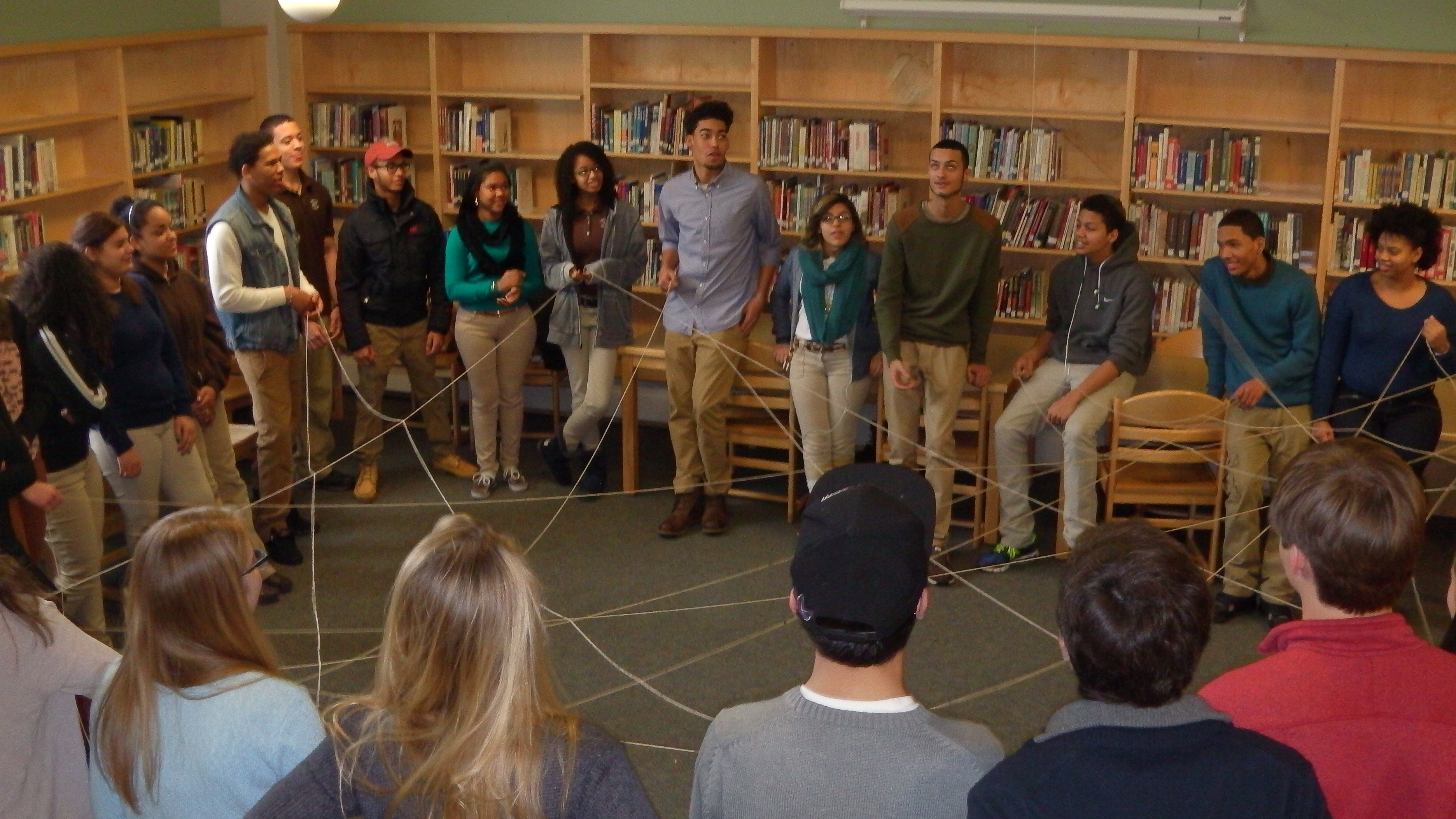
Los estudiantes de LHS y PA descubren sus conexiones en enero 2014 / The students from LHS and PA discover their interconnectedness in January 2014

En las palabras de D-Shawn, LHS ‘14

Solo escuchando a otras personas discutir o compartir sobre su vida y sus luchas, especialmente cuando difieren de su propia verdad, da una mejor comprensión en cuanto a los aspectos positivos de la vida de uno, así como las muchas cosas que hay que agradecer. Por ejemplo, en este proyecto en particular muchos de los estudiantes de Phillips Academy eran inmigrantes o estudiantes que no viven con sus familias mientras asisten a la escuela. Mezclar a los estudiantes de ambas escuelas para trabajar en tareas específicas para estimular un sentido de “unidad” es una excelente manera de ayudar a todos a sentirse más cómodos unos con otros, y esto es precisamente lo que hicimos. “Nosotros, el pueblo” era el sentido esencial que dirigía este proyecto y la validez de este título se ha demostrado a través de este proyecto. Invito a otros estudiantes que tienen la oportunidad de participar en el proyecto el próximo año para hacerlo.

/////

In the words of D-Shawn, LHS ‘14

Just listening to other people discuss or share about their lives and their struggles, especially when they differ from your own reality, gives you a better understanding of the positive aspects of another person’s life, as well as of all the things in life that there are to appreciate. For example, in this project in particular, many of the students from Phillips Academy are immigrants or students that don’t live with their families while they’re attending the school. Getting students together from both schools to work on specific tasks to stimulate a sense of “unity” is an excellent way to help people feel more comfortable with one another, and that’s exactly what we did. “We, the People” is the essence of this project, and our work as a group gives validity to this title. I invite other students to take the opportunity to participate in this project.

Klodian Beqiri – Introduction to our project

Klodian Beqiri, Phillips Academy Class of 2014

Hello. I wanted to start off this introduction by thanking everyone that came here, especially the people of Movement City who have been helping us every step of the way in accomplishing this final project, the Lawrence High School students, César Sánchez who has been incredibly inspirational, and Cuchillero the killer (a nickname he earned in the winter term while reading one of his epic poems) for his tremendous passion in putting this class together. I’d like to introduce my self. I am Klodian Beqiri, and I am a four year senior at Phillips academy. I am an immigrant from Albania, but I live in Peabody and have been living there for about 11 years now.

Coming to a democratic nation as large as the US from a rural village in northeastern Albania was a huge culture shock for both my parents and I. The first few years were difficult because we started our lives from nothing: we lived in a small apartment secluded from the rest of society because we didn’t speak the language or even understand the culture that was present here. But as the years went by and I began to assimilate more and more into the American way of life, I still felt like a big part of my identity was missing. I still felt like I didn’t belong because no one could really understand the experience immigrants went through when they first arrived in the US. This was a big reason of why I wanted to take this class. Winter term, for many of my classmates, was an incredible experience because it allowed many of us to tear down the little walls we had been barricaded in throughout our lives and enter a completely different world that is literally next to ours. But for me, this class meant more because it enabled me to meet other people, especially the students at LHS, who shared a similar experience and overcame similar struggles after immigrating to the US.

I think that this final video project beautifully captured the true spirit of the immigrant city and the inhabitants that live in it. Lawrence is a place that embodies what the US stands for for many immigrants who come here. It is a place that continues to prove the american dream is still alive, a place where immigrants stumble and fall, but keep getting back up again and keep rising ever higher. My grandfather told me before I left for the US: “don’t get stuck in the past, but never forget the land and the people you left behind.” I think his words beautifully capture the ideals that define Lawrence: the people here continue to preserve their native heritage while at the same time adapt to a new way of life. It is this mixture of cultures that will enable them to keep pushing and soaring every higher.

Bienvenidos a nuestro blog / Welcome to our blog

Queridos visitantes, los invitamos a escuchar las voces de la Ciudad de Inmigrantes–Lawrence, Massachusetts–a admirar las historias de los que se han criado aquí, migrado a esta ciudad, y ayudado a darle forma a este lugar.  Consideren participar en el proyecto, o contribuyendo sus propias historias escritas u ofreciéndose para ser entrevistados por nuestro equipo.  ¡Gracias!

/////

Dear visitors, we invite you to listen to the voices of the Immigrant City–Lawrence, Massachusetts–to admire the stories of those who have grown up here, migrated to this city, and helped shape this place into what it is today.  Please consider contributing your own story by contacting the editors to set up an interview or write your own story to post on the blog.  Thank you!